
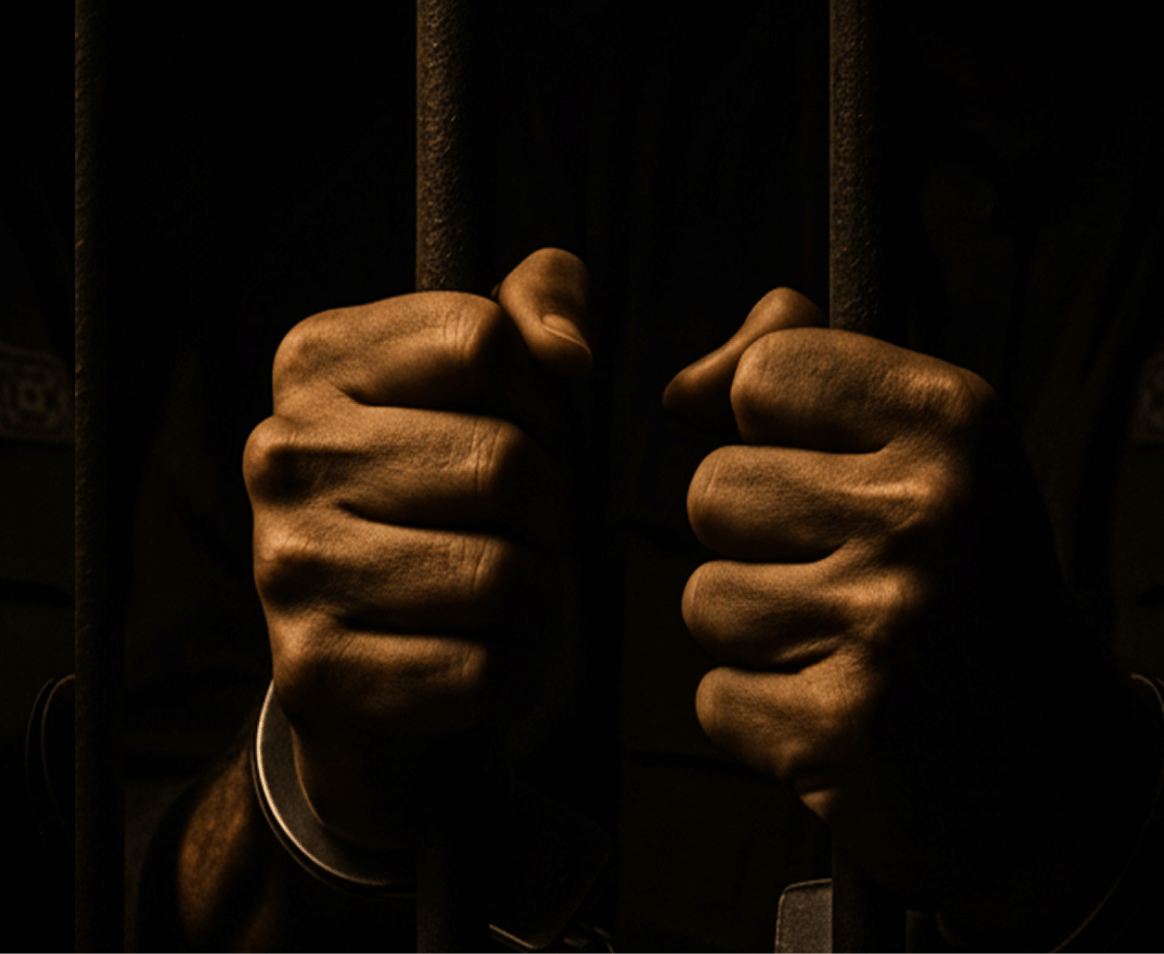
Nobody plans for the moment life caves in.
It can happen through loss, betrayal, public humiliation, a broken career, a damaged reputation, or a fight you never asked to be in. One day you are moving forward with purpose. The next, you are standing in the wreckage, trying to understand how everything changed so fast.
What makes those moments even harder is that people often expect recovery to look clean. They want a quick comeback story. They want a lesson tied up neatly. Real life does not work that way. When you get hit hard, especially by something unfair, recovery rarely arrives with clarity. It begins in confusion. It begins in anger. It begins in the quiet moments where you are trying to keep yourself from giving up.
A lot of people search for how to find strength after trauma because they are not looking for a slogan. They are looking for something solid enough to hold onto when life no longer feels stable.
Strength, in those moments, is not about looking fearless. It is not about pretending you are fine. It is not about acting tough for the sake of appearances. Real strength begins when you stop wasting energy trying to look unshaken and start focusing on how to keep moving while carrying the weight.
Sometimes the strongest thing a person can do is stay present long enough to face what happened honestly.
That honesty matters. When life knocks you down, there is a temptation to either deny the pain or let it define your whole identity. Neither one helps for long. Denial delays healing. Total surrender to bitterness drains whatever hope you still have left. You need room to tell the truth without turning that pain into your permanent home.
Part of resilience comes from understanding that being wounded does not make you weak. It makes you human. A hard fall can strip away your confidence, your routines, your sense of safety, and your trust in other people. That kind of damage reaches deeper than outsiders usually understand. Yet even then, there is still a part of you that can choose what comes next.
Not all at once. Not perfectly. Just enough for the next step.
That next step may be small. Get up. Make the call. Document the truth. Ask for help. Protect your mind. Refuse to let lies speak louder than your character. Hold your ground when it would be easier to disappear. Recovery often starts with decisions that look ordinary from the outside but cost everything on the inside.
People love dramatic turning points, but most healing is built through repetition. You keep going when you are tired. You speak when silence would be easier. You hold onto discipline when emotion keeps pulling you in the opposite direction. Over time, those repeated choices begin rebuilding something inside you that pain tried to destroy.
If you are trying to understand how to find strength after trauma, it helps to stop chasing the version of yourself that existed before the damage. That person may not fully come back, and that does not have to be a tragedy. Hard experiences change people. They sharpen some parts, soften others, and expose truths you might never have seen otherwise. The goal is not to become untouched again. The goal is to become grounded, wiser, and harder to break.
There is also something important people do not say enough. Strength is easier to sustain when it is tied to purpose.
Pain by itself can make you collapse inward. Purpose pulls you outward. It gives suffering somewhere to go. It reminds you there is still a reason to stand up, speak up, protect someone, tell the truth, or keep fighting for what matters. Without purpose, pain circles endlessly. With purpose, even deep pain can be turned into direction.
That does not mean every wound becomes noble. Some losses remain painful for a long time. Some betrayals leave scars that do not vanish. Some battles take years to understand. Even so, pain does not get the final word unless you hand it that power.
You reclaim power by deciding what the struggle will produce in you.
Maybe it produces courage. Maybe it produces wisdom. Maybe it teaches discernment. Maybe it makes you more compassionate toward people carrying invisible burdens. Maybe it teaches you that survival is not passive. It is active. It is stubborn. It is built choice by choice.
People searching how to find strength after trauma are often hoping someone will tell them when the pain finally stops. There is no single answer to that. Healing does not move in a straight line. Some days you feel steady. Some days an old memory knocks the wind out of you. Progress is still progress, even when it does not feel dramatic.
What matters is that you do not stay on the ground just because life hit hard.
You can be bruised and still move forward.
You can be angry and still choose wisdom.
You can be exhausted and still refuse surrender.
You can lose almost everything and still protect the one thing no corrupt system, cruel person, or brutal season should ever be allowed to take from you, your will to rise again.
If life has knocked you down, do not measure yourself by how polished your recovery looks. Measure it by your refusal to quit. Measure it by the truth you keep holding. Measure it by the courage it takes to stand back up when staying down would feel easier.
That is often how to find strength after trauma. Not through perfection. Not through performance. Through endurance, honesty, purpose, and the decision to rise one more time.