
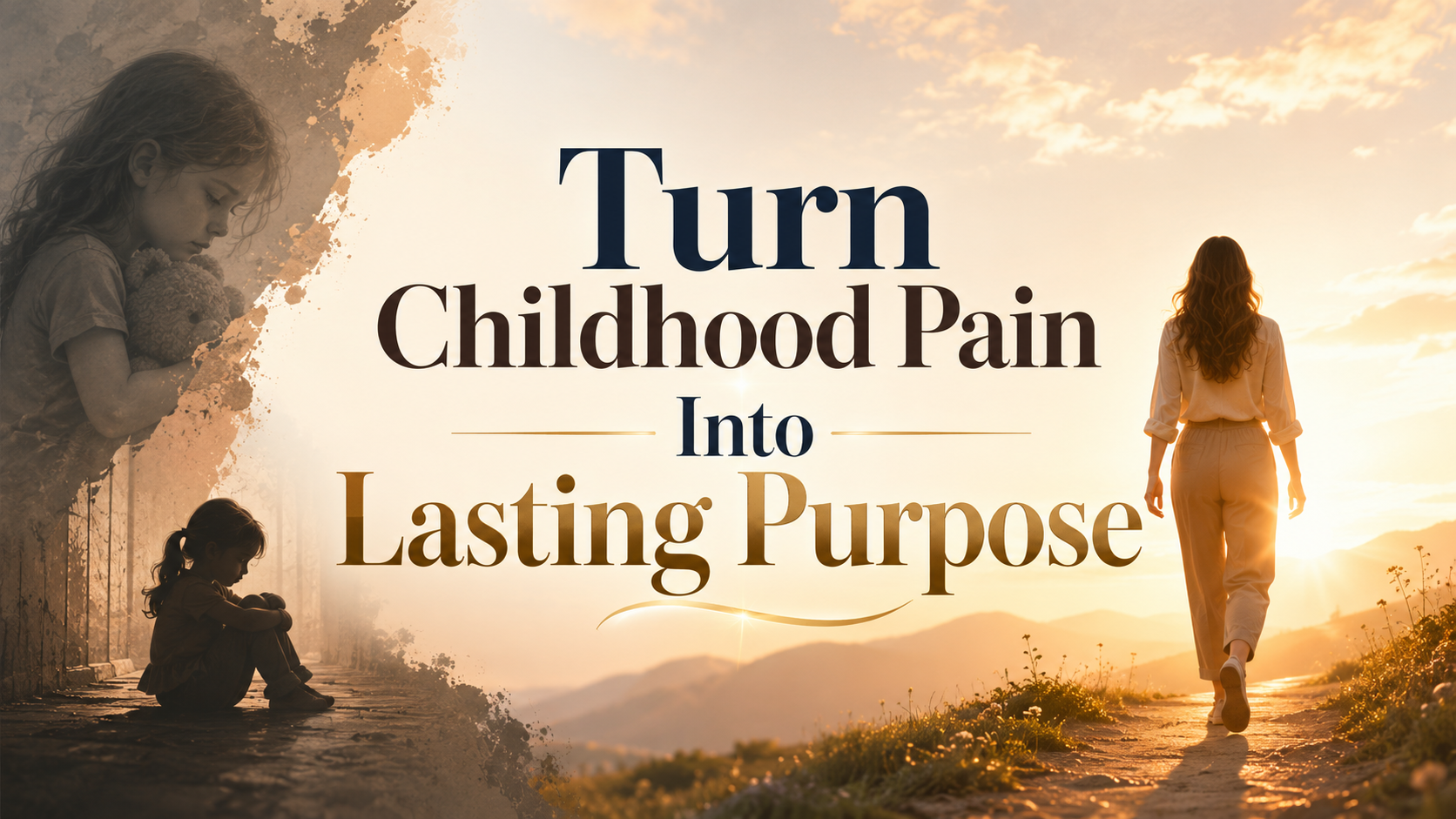
Childhood pain rarely stays in childhood. It follows people quietly, often disguised as discipline, ambition, anger, humor, or the habit of never asking anyone for help.
Some children grow up learning ordinary things: how to ride a bike, finish homework, or make a sandwich. Others learn how to read the sound of footsteps in a hallway. They notice when a room changes. They understand which adult is safe, which one is unpredictable, and when silence is the smartest choice.
Those lessons can keep a child protected. Years later, the same instincts can keep an adult permanently on guard.
That is one reason painful childhoods are so often misunderstood. The damage does not always look like collapse. Sometimes it looks like competence. The child who had to become responsible too early may grow into the adult everyone depends on. The one who learned not to trust may appear fiercely independent. The one who was ignored may become unusually attentive to the suffering of others.
Strength can grow from pain. So can exhaustion.
The difference between the two often comes down to what happens next.
Pain becomes destructive when it is left to choose the direction of a life. It becomes useful only when it is examined honestly and given a better job.
That process is not sentimental. It does not require calling every wound a gift. Some experiences do not contain hidden blessings. Some adults failed children who deserved protection. Some homes taught fear where they should have taught safety. Pretending otherwise only gives cruelty a prettier name.
Real purpose begins with refusing that dishonesty.
A painful past can explain why someone reacts quickly to danger, distrusts authority, or feels responsible for fixing every problem in the room. It can explain the need to stay busy, stay strong, or stay in control. But explanation is not the same as permission. Hurt may shape a person’s instincts, but it does not have to govern every decision.
The people who turn childhood pain into lasting purpose usually do something more difficult than simply “moving on.” They learn how to use what they noticed.
A former troubled child may become the teacher who recognizes that the student sleeping in class is not necessarily lazy. A coach may understand that the athlete with the worst attitude is often testing whether another adult will walk away. A mentor may see past the performance and notice the fear underneath it.
That kind of awareness cannot be taught by a motivational poster.
It comes from having once been overlooked.
Still, awareness alone is not enough. Purpose also requires boundaries. Many people shaped by difficult childhoods become excellent at protecting others and terrible at protecting themselves. They answer every call, enter every crisis, carry every burden, and slowly confuse being needed with being whole.
Service matters. Self-destruction does not make service more noble.
A lasting purpose has room for rest, family, faith, health, and peace. It does not demand that a person remain wounded in order to remain useful.
This is especially important in professions built around responsibility. Teachers, coaches, correctional officers, first responders, counselors, and mentors often meet people at their worst moments. Those roles attract individuals who know what chaos feels like and want to bring order to it. That instinct can save lives. It can also become dangerous when every emergency feels personal.
Purpose must be chosen, not triggered.
Sometimes that choice is public: confronting misconduct, protecting a vulnerable person, or speaking when silence would be safer. More often, it is quiet. It appears in the adult who keeps a promise because promises were once broken. It appears in the parent who refuses to humiliate a child. It appears in the coach who gives consequences without stripping away dignity.
These decisions rarely look dramatic. They are still how cycles end.
Pain travels easily through families and institutions. It moves through neglect, rage, addiction, shame, and the old excuse that cruelty builds character. Eventually, someone has to decide that the damage will not be handed to the next person.
That decision is purpose in its most honest form.
The past cannot be edited into something harmless. It can, however, be prevented from becoming a permanent authority. A person may always carry certain memories, reactions, and scars. Healing does not erase them. It changes who gets to make the next choice.
Childhood pain may explain the beginning of a life. It does not deserve ownership of the ending.
The most meaningful purpose often starts there: not in pretending the wound was necessary, but in deciding that someone else will be safer because it was survived.